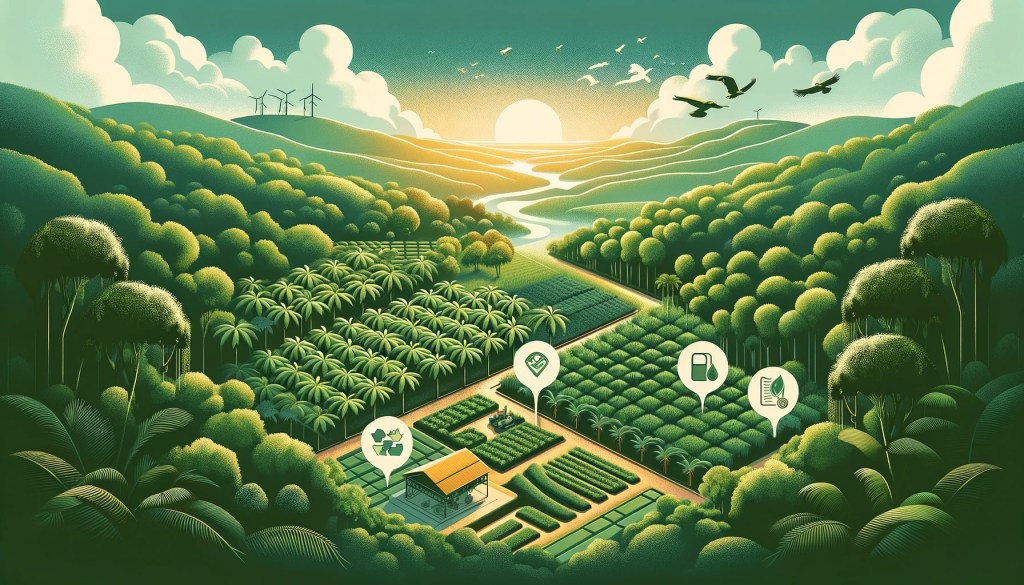
Palm oil is found in everything from food products to cosmetics and has often been criticised for its environmental impact. However, as the world becomes increasingly aware of the urgency of sustainability, there’s a parallel recognition of the need for sustainable palm oil production. This sustainable approach seeks to mitigate the adverse effects associated with traditional palm oil cultivation, such as deforestation and habitat destruction, by adhering to environmentally friendly and ethical practices.
Sustainable palm oil is produced with an emphasis on minimising environmental damage. Through certification schemes like the Roundtable on Sustainable Palm Oil (RSPO), producers must follow guidelines that conserve biodiversity, respect the rights of workers and indigenous communities, and reduce greenhouse gas emissions. These standards ensure that palm oil production does not contribute to the clearing of primary forests or areas of high conservation value, protecting critical habitats for endangered species and maintaining ecological balance.
The move towards sustainable palm oil is not only environmentally significant but also carries profound social implications. By involving local communities and ensuring fair treatment of workers, sustainable practices promote social equity and reduce conflicts over land and resources. Moreover, this approach opens up new markets for producers and can lead to premium pricing for their products, demonstrating the economic viability of sustainable palm oil.
However, it’s essential to understand the importance of not demonising all palm oil production. Critics often overlook that sustainable palm oil can be an environmentally superior option compared to non-palm oil alternatives. Palm oil is remarkably efficient, requiring less land to produce the same amount of oil as crops like soybean or coconut oil. This efficiency means that sustainable palm oil production can have a significantly lower environmental footprint when properly managed.
The challenge, therefore, lies in distinguishing between conventional and sustainable palm oil production and recognising the latter’s potential for positive environmental impact. Sustainable palm oil offers a pathway to meet global demand while adhering to principles of environmental stewardship and social responsibility.
Supporting sustainable palm oil is more than an environmental choice; it’s a commitment to promoting a more sustainable and equitable global agricultural system. As awareness and demand for sustainable palm oil grows, it becomes increasingly possible to envision a future where palm oil production contributes positively to both the planet and its people. By choosing products containing certified sustainable palm oil, consumers and businesses can play a crucial role in this transformative journey, proving that informed choices can lead to significant environmental and social benefits.
Kickstart your journey into sustainable growth, with all the tools you need to get going at Bright.
 Bright Sustainability - Blog
Leave a comment